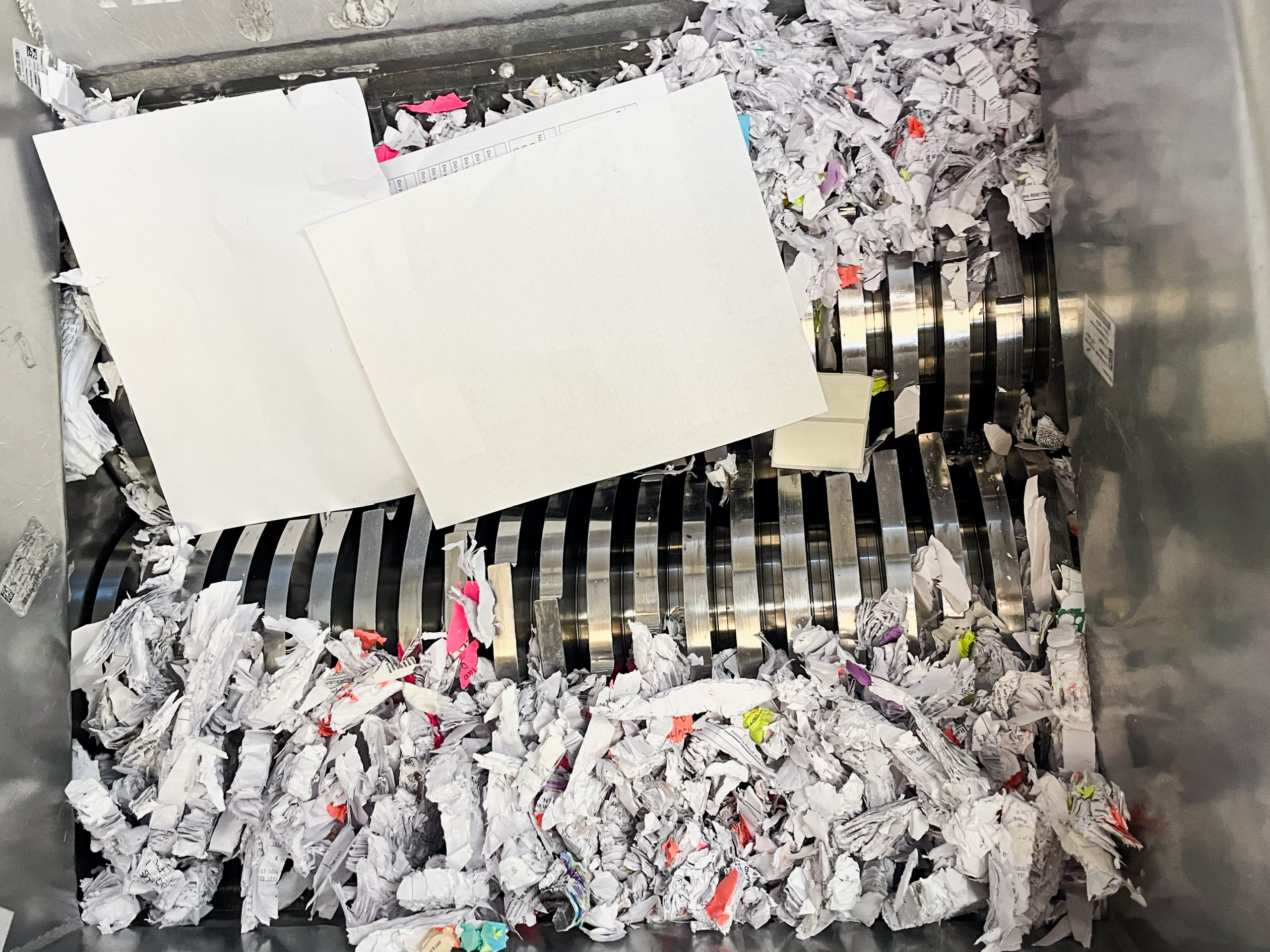
As modern enterprises pivot toward paperless operations, cloud archives, and digital-first workflows, the volume of physical paper moving through offices is steadily declining. However, the reduction in paper does not mean a reduction in physical data risk. Today, the most volatile security vulnerabilities in an office are no longer stored in cardboard banker boxes—they reside on obsolete hard drives, decommissioned servers, aging laptops, and discarded mobile devices.
As a result, professional document shredding providers have expanded into comprehensive physical data destruction, prioritizing secure Hard Drive and IT Asset Disposal (ITAD).
Why Simple Data Deletion is a Myth
A dangerous misconception among office managers is that dragging files to the computer recycle bin, formatting a hard drive, or running a basic factory reset renders data permanently gone.
- Data Recovery Realities: Standard deletion only removes the file directory pointers. The underlying binary data remains completely intact on the magnetic platters or flash memory chips until overwritten multiple times—or physically destroyed.
- The Risk of Resale and Donation: Donating old company laptops or selling decommissioned server racks without certified hardware destruction exposes an organization to severe data theft. Recovering forensic data from a discarded drive takes a skilled malicious actor only a fraction of the time it took to create it.
The Mechanics of Hard Drive Destruction
True end-of-life media sanitization requires mechanical annihilation. Just as industrial trucks pulverize sensitive paperwork into unreadable confetti, modern ITAD protocols utilize specialized shredding machinery built specifically for electronic hardware.
- Physical Pulverization: Industrial hard drive shredders crack, crush, and shred magnetic disks, circuit boards, and solid-state chips into microscopic fragments. Once a drive passes through these heavy-duty teeth, data recovery is physically and mathematically impossible.
- Serialized Chain of Custody: Just like paper destruction, elite ITAD vendors log the exact serial number of every hard drive or device collected from your facility. This serialized log is paired with a formal Certificate of Destruction for your compliance records.
Bridging the Gap: A Unified Disposal Policy
Best-in-class information security requires treating every storage medium with equal rigor. Organizations must update their data retention policies to mandate that physical paper and electronic hardware follow the exact same auditable exit strategy.
Conclusion: Securing the Entire Data Lifecycle
Information security does not stop at the edge of your cloud network. By extending your secure destruction framework from paper files down to hard drive pulverization, you safeguard your enterprise against hardware-level data leaks and maintain complete operational integrity.