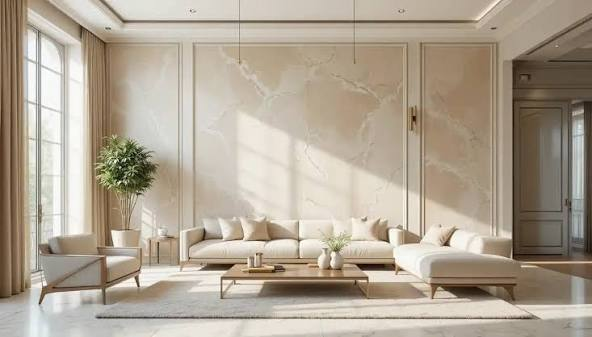
Interior design is experiencing a massive readjustment with modern interiors paroles apply. Designers are opting for objectivity and materiality, paying attention to depth and physical presence as they veer away from flat visuals, printed graphics or merely decorative surfaces. Interiors are no longer characterized by simply the color palette or arrangement of furniture but how surfaces respond to light, and texture with space.
In this changing design philosophy Plaster Wall Art has become something a top plate. It breathes sculptural beauty into any modern living space, transforming your regular walls into expressive architectural focal points, and is a more sophisticated version of Textured Art. It represents a departure from decorative design to experience-driven tactile design.
The Rise of Material-Based Art
Interior design derived from contemporary sensibilities is trending towards more tactile materials i.e. самые натуральные и реалистичные. Gone are the days when people will settle for flat, printed artwork that is only visually pleasing. Instead they are attracted to surfaces that offer depth and presence.
Textured Art with plaster fits like a glove in this trend. It infused interiors with a handmade, organic quality that digital or printed formats struggle to replicate. It is seen not as a surface, but through light and shadow and perspective.
Plaster art, as opposed to traditional wall decor, creates a relationship between the viewer and the wall surface itself, giving interiors an anchoring quality along with emotional weight.
Sculptural Expression Through Plaster
The sculptural property of Plaster Wall Art is one of its most unique features. Each work is meticulously shaped, with lapping pigmented layers, bulging surfaces and blurred lines that lend it a palpable three-dimensionality.
Such sculptural details are not fixed at time. They are constantly interacting with both natural and artificial lighting. The rotation of light during the day alters shadows that play over the landscape and expose visual codes in slivers of differing light.
What emerges is an ever-changing piece of art, that never really looks the same twice. Rather, it becomes an organic architectural component that interacts with its surroundings.
It gives you a texture of Textured Art, which kind of:
Visually dynamic
Architecturally integrated
Naturally expressive
Emotional Impact of Textured Walls
Texture has a strong influence on emotional response in indoor spaces. Color is known to influence mood—but that is only on the surface; texture affects how a space feels in the body and mind.
Plaster Wall Art calms, stabilizes the space by softening sharp visual lines. The organic shape reduces visual tension and promotes relaxation.
Key emotional effects include:
Gentle transitions and light flowing surface – calmness
Stability, through grounded, material-based design
Everything is based on balance, so a little bit of visual softness here complements minimal interiors
Architectural grace, that lifts the space, without being overbearing
It’s this emotional depth that makes textured surfaces more meaningful than one-dimensional decorative elements in contemporary abodes.
The Best Places for Plaster Wall Art
Plaster Wall Art can be used in a variety of interior environments. Now the neutral colours and almost sculptural concept lend itself easily between home use or business.
Ideal placements include:
In the case of living room feature walls, where it acts as an understated hero or heroine in造成某种现场特色
Bedroom soothing spheres to aid relaxation and softness
Offices, welcoming greeting points and elevating brand perceptions
Minimalist interiors require the use of simple depth
In all the above settings, plaster art enriches the spatial experience while not dominating any single design language.
Design for Maximum Visual Impact
However, it is necessary to have careful style choices to fully highlight the sculptural beauty of Textured Art. As plaster surfaces depend much on light interaction, the surrounding environment should closely support their inherent depth.
Effective design techniques include:
Using light and shadow and texture lightsoup to the strong stuff warmth of textures
Opting for subdued aesthetics around the surrounding decor forms to avoid a visual competition
Pairing well with natural materials (such as wood, stone or linen!)
Sticking with neutral wall colors to entice contrast and clarity
Below are key principles that, when implemented properly, help the artwork to read as a primary anchor in a silent conversation of graphics making eyeballs flow around with subtle emphasis rather than loudness.
How Textured Art Will Help Shape Your Future Interior Design
The future of Interior design will start to move in the direction of sensory-rich environments where materials will be at work more than anything else. Modern spaces seek to bring touch, light and awareness to the space rather than just a visual decoration.
This evolution is epitomized in Plaster Wall Art. It connects art and architecture, converting surfaces into sculptural objects defining space and character.
Tactile sensibilities soar as homes downsize—and, even though taste becomes more straightforward; tactile effects meld neutral application. This makes Textured Art one of the biggest trends toward the future in luxury interior design.
Conclusion
And rightly Plaster Wall Art is the Art of new-age modern interiors, changing how we see what is on and feel our walls. This brings some sculptural dimension, emotional serenity and surface interest to modern interiors—a sophisticated evolution of Textured Art.