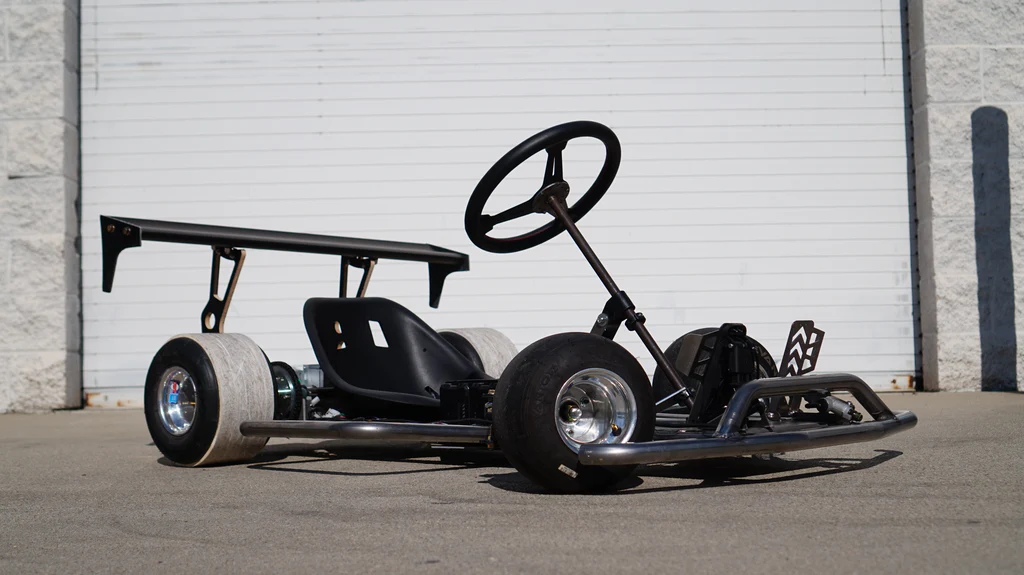
In the adrenaline-fueled world of recreational motorsports, few inventions capture the thrill of sliding around corners quite like the drift cart. This innovative vehicle blends the simplicity of a go-kart with the dynamic excitement of drifting, allowing enthusiasts of all ages to experience high-speed maneuvers in a safe and accessible way. Whether you’re a beginner looking to hone your skills or a seasoned driver seeking ultimate performance, these machines have revolutionized how people engage with drifting on a smaller scale.
Understanding the Basics of a Drift Cart
At its core, a drift cart is a compact, low-to-the-ground vehicle engineered specifically for initiating and maintaining drifts, which involve intentionally oversteering to make the rear wheels lose traction while keeping control through a turn. Unlike traditional go-karts that prioritize straight-line speed and grip, drift carts feature modifications that encourage sliding, such as specialized tires, adjustable steering systems, and powerful motors or engines. These carts typically have a lightweight frame made from durable materials like steel or aluminum, ensuring they can withstand the rigors of repeated drifts without compromising safety.
The design often includes a rear-wheel-drive setup, where power is delivered to the back wheels, making it easier to break traction. Front wheels handle steering, while the rear ones spin freely during a drift. Many models incorporate variable speed controls, allowing users to adjust acceleration for different skill levels. Electric versions, powered by batteries ranging from 24V to 72V, offer quiet operation and instant torque, ideal for indoor or neighborhood use. Gas-powered variants, on the other hand, provide a more traditional engine roar and extended runtime, appealing to those who crave raw power.
Drift carts come in various sizes, from kid-friendly models with speed limits around 12 mph to adult-oriented beasts capable of exceeding 30 mph. The seating is usually a single bucket-style chair, positioned low for a better center of gravity, which enhances stability during slides. Additional features like adjustable tie rods, brake rotors, and custom wheel hubs allow for personalization, turning a basic cart into a tailored drifting machine.
The History and Rise in Popularity
The concept of drifting originated in the automotive world, particularly in Japan during the 1970s, where drivers like Keiichi Tsuchiya popularized the technique on mountain roads. However, adapting this to smaller vehicles like carts didn’t gain traction until the early 2000s. Early prototypes were often DIY modifications of standard go-karts, with enthusiasts adding slick rear tires or weights to induce oversteer.
A pivotal moment came in 2011 when Razor introduced the Crazy Cart, a battery-powered drift cart that quickly became a bestseller. This model featured a patented drift bar, which allowed the rear wheels to pivot independently, enabling 360-degree spins and effortless slides. Its success sparked a wave of competitors, from budget options sold at big-box stores to high-end custom builds. By the mid-2010s, drift carts had entered mainstream culture, appearing in viral videos, toy catalogs, and even professional drifting events as training tools.
The rise of electric mobility in the 2020s further boosted the category. Companies began focusing on sustainable designs, incorporating brushless motors for efficiency and longevity. Social media platforms showcased user-generated content, from backyard drifts to urban escapades, amplifying their appeal. Today, drift carts are not just toys; they’re used in motorsport academies to teach young drivers about vehicle dynamics, throttle control, and weight transfer.
How Drift Carts Work: The Mechanics Behind the Magic
Delving into the technical side, a drift cart’s functionality revolves around physics principles like friction, momentum, and torque. The key to drifting is reducing rear tire grip while maintaining front-end control. This is achieved through low-friction rear sleeves or drift rings—plastic or rubber attachments that slip over the tires, allowing them to slide without wearing out quickly.
Power delivery is crucial. In electric models, a brushless motor, often rated at 300W to 3000W, provides smooth acceleration via a foot pedal or throttle lever. The battery pack, typically lithium-ion, offers runtimes of 30 to 60 minutes per charge, depending on usage. Gas versions use small engines, like 200cc four-stroke units, connected to a chain drive for direct power transfer.
Steering in a drift cart is enhanced by a responsive rack-and-pinion system, often with adjustable geometry to alter the turning radius. During a drift, the driver initiates the slide by accelerating into a turn, then counter-steers to maintain the angle. Advanced models include features like variable caster angles, which affect how the front wheels return to center, improving recovery from slides.
Braking is handled by disc or drum systems on the rear axle, providing modulated stopping power without locking up during drifts. Safety integrations, such as roll cages or harnesses in premium models, prevent tipping at high angles. Overall, the mechanics ensure that drifting feels intuitive, blending engineering precision with playful unpredictability.
Types of Drift Carts: Choosing the Right One
Diversity in the market means there’s a drift cart for every preference and budget. Entry-level electric carts, like those from Razor or Kerry Yoo, are perfect for children aged 6 and up. These feature speed caps, parental controls, and durable plastic bodies, emphasizing fun over performance. They often retail for under $300 and are lightweight, making them easy to store and transport.
Mid-range options step up with more power and customization. For instance, models with 1000W motors allow for adult use, reaching speeds of 20 mph and supporting weights up to 220 pounds. These might include LED lights, adjustable seats, and upgraded tires for better drift control on various surfaces like pavement or grass.
High-performance drift carts cater to enthusiasts. Electric variants with 72V systems and 3000W motors deliver blistering acceleration, ideal for competitive drifting. Gas-powered ones offer modifiable exhausts and clutches for tuning. Brands like Battle Aero specialize in these, providing kits with components such as stretched tires, three-spoke rims, and bearing sets for axle upgrades. Prices can climb to $2000 or more, but the investment yields unmatched agility and durability.
DIY enthusiasts often build their own using frames from old go-karts, adding electric motors from surplus stores. This approach allows for unique hybrids, like Sur-Ron powered carts, combining e-bike batteries with kart chassis for off-road drifting capabilities.
Safety Considerations for Drift Cart Enthusiasts
While exhilarating, operating a drift cart requires attention to safety to prevent accidents. Always wear protective gear, including helmets, gloves, and closed-toe shoes, as falls can occur during aggressive maneuvers. Eye protection guards against debris kicked up by spinning wheels.
Choose appropriate environments: smooth, open areas free of obstacles like potholes or traffic. Avoid public roads unless the cart is street-legal, which is rare for most models. For younger users, supervision is essential, and speed limiters should be engaged.
Regular inspections are key. Check tire pressure, battery connections, and brake pads before each session. Ensure the frame is free of cracks, and lubricate moving parts to maintain smooth operation. In case of tip-overs, which are more common in drifts, reinforced sides and low centers of gravity minimize injury risks.
Training progresses from basic circles to figure-eights, building confidence. Many communities offer workshops where experienced drifters share tips on throttle modulation and weight shifting, reducing the learning curve.
Maintenance and Upgrades for Longevity
To keep a drift cart performing at its best, routine maintenance is indispensable. Start with cleaning: rinse off dirt after use, avoiding high-pressure water on electrical components. For electric models, charge batteries fully after each ride and store them in cool, dry places to extend lifespan.
Tire care involves rotating them periodically and replacing drift sleeves when worn. Lubricate chains or belts in the drive system every few months. Inspect wiring for frays, especially in custom builds, and tighten bolts on the chassis to prevent vibrations from loosening parts.
Upgrades enhance the experience. Swapping to high-traction front tires improves steering precision, while adding a larger battery boosts runtime. Custom seats provide better ergonomics for longer sessions, and performance hubs allow for wider wheelbases, stabilizing high-speed drifts.
For gas carts, change oil regularly and clean air filters. Professional tuning can optimize fuel mixtures for better efficiency. With proper care, a quality drift cart can last years, evolving with the owner’s skills.
The Benefits and Future of Drift Carts
Beyond entertainment, drift carts offer developmental advantages. They teach physics in action, improving hand-eye coordination and decision-making under pressure. For aspiring racers, they’re an affordable entry into motorsports, simulating car drifting without the costs.
Physically, drifting engages core muscles through balancing and steering, providing a fun workout. Socially, they foster communities, with events like drift meets bringing people together.
Looking ahead, innovations like AI-assisted controls for beginners and eco-friendly materials promise growth. Integration with virtual reality could simulate tracks, while autonomous features might demonstrate perfect drifts. As electric technology advances, expect lighter, faster models with longer ranges.