Surrogacy and healthcare are deeply intertwined, forming the foundation for a safe, ethical, and medically sound journey to parenthood. Whether driven by infertility, medical conditions, or family structure, many individuals and couples turn to surrogacy as a way to have children. However, successful surrogacy is not just about legal contracts and emotional readiness—it requires a robust and carefully managed healthcare process that protects the well-being of both the surrogate and the baby. Understanding the medical framework that supports surrogacy is essential for intended parents and surrogates alike.
The Medical Foundations of Surrogacy
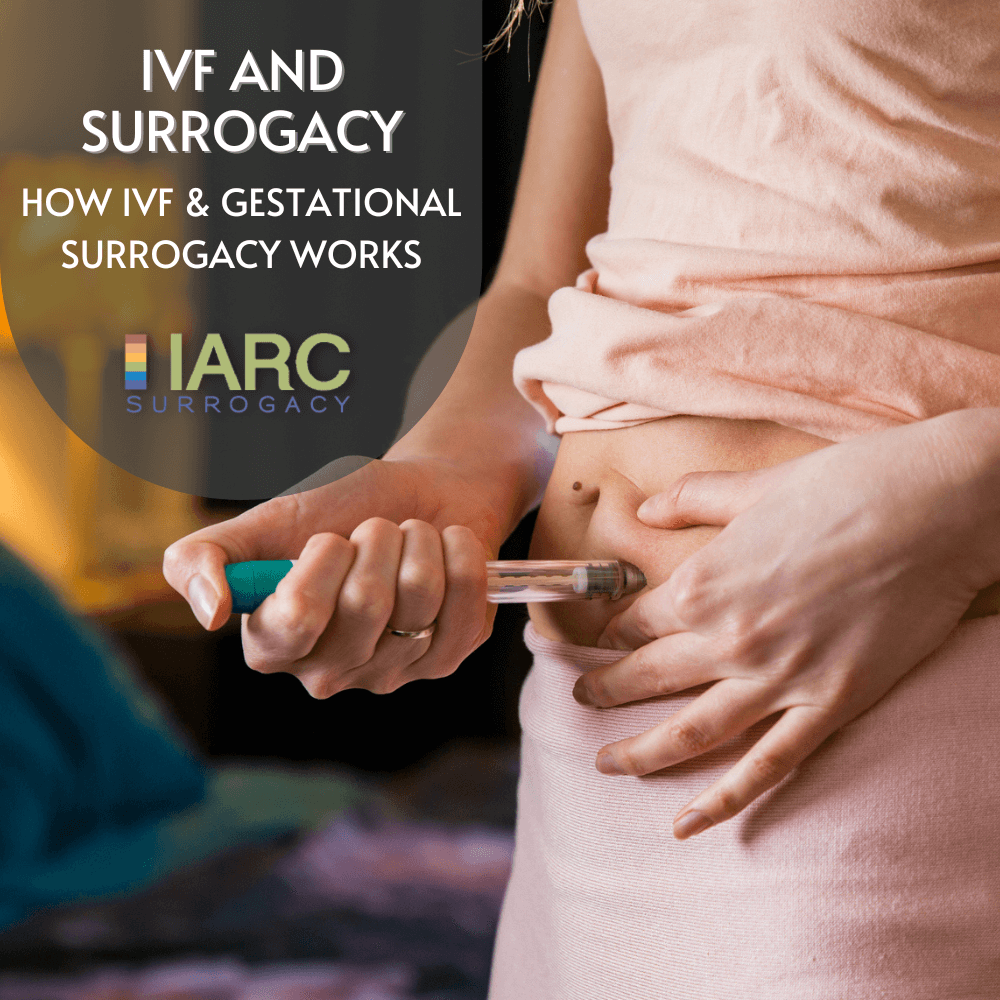
At its core, surrogacy is a medical process. From fertility treatments and embryo creation to prenatal care and childbirth, healthcare professionals play a central role at every stage. The journey typically begins with fertility assessments for the intended parents, followed by in vitro fertilization (IVF), where embryos are created using the sperm and eggs of the intended parents or donors. Once viable embryos are developed, one or more are transferred to the surrogate’s uterus.
The surrogate undergoes thorough medical screening before this stage. This includes evaluations for physical health, reproductive capability, and any risk factors that could affect the pregnancy. These assessments are performed by fertility specialists who ensure that the surrogate’s body is fully prepared for the hormonal treatments and physical demands of pregnancy.
Once pregnancy is confirmed, the surrogate receives ongoing prenatal care through a team of obstetricians, gynecologists, and maternal-fetal medicine specialists. Regular ultrasounds, blood work, and physical exams monitor the baby’s growth and the surrogate’s health. Any complications—such as gestational diabetes, hypertension, or preterm labor—are managed swiftly and professionally to ensure a positive outcome.
Mental and Emotional Healthcare in Surrogacy
The psychological aspects of surrogacy are as important as the physical ones. Mental health support is a critical component of responsible surrogacy arrangements. Surrogates undergo psychological evaluations to determine emotional readiness and ensure that they fully understand the implications of the process. Intended parents may also be assessed and counseled, particularly if they have faced trauma related to infertility or previous pregnancy losses.
Throughout the pregnancy, access to mental health professionals is crucial. Surrogates may experience emotional highs and lows, and it’s important for them to have a safe space to process those feelings. Intended parents also benefit from counseling to navigate the unique experience of bonding with a child carried by someone else. Some surrogacy agencies and clinics offer family counseling to help all parties build a respectful and understanding relationship during the process.
Healthcare providers with expertise in reproductive psychology often facilitate these services. Their role ensures emotional well-being while supporting the complex interpersonal dynamics that can arise in a surrogacy arrangement.
Access to Healthcare and Legal Considerations
The intersection of surrogacy and healthcare often extends into legal territory. Health insurance plays a major role in determining who pays for prenatal care, delivery, and postnatal treatment. In some countries, health insurance policies may not automatically cover surrogate pregnancies. Intended parents may need to purchase a special insurance policy for the surrogate to ensure that all medical expenses are covered without legal or financial conflict.
Additionally, post-birth care for the newborn must be addressed. If the intended parents are from another country, they may need to provide temporary health coverage for the child until citizenship and long-term insurance arrangements are settled. These considerations require careful planning and legal oversight to avoid unexpected complications.
Healthcare access also varies depending on where the surrogacy takes place. In countries with robust public health systems and surrogacy regulations, both surrogate and baby typically receive excellent care. In less regulated regions, disparities in healthcare quality can arise. That’s why it’s important to work with well-established medical facilities and surrogacy centers that have a proven track record of prioritizing health and safety. For detailed insights and access to trusted healthcare-focused surrogacy support, you can learn more about working with a professional center that ensures medical integrity at every stage.
International Surrogacy and Healthcare Challenges
In international surrogacy arrangements, healthcare coordination becomes even more complex. Intended parents may live thousands of miles away from the surrogate, and managing healthcare across borders requires strong partnerships between agencies, clinics, and legal professionals. Communication between medical providers in different countries is essential to track the pregnancy and prepare for the birth.
Additionally, intended parents often travel to the surrogate’s country for key milestones such as embryo transfer or the baby’s delivery. They must ensure that the healthcare facilities meet high standards and that emergency services are accessible if needed. The COVID-19 pandemic underscored the importance of planning for unexpected medical and logistical challenges in international surrogacy cases.
In some jurisdictions, medical standards and healthcare infrastructure may not match those of the intended parents’ home country. Intended parents must do their research, visit clinics when possible, and choose agencies with transparent healthcare protocols. Language barriers, cultural differences, and time zone gaps can also affect the ease of communication with doctors and care providers, making professional coordination essential.
Postnatal Care for Surrogates and Newborns
Healthcare in surrogacy does not end with the birth of the baby. Postnatal care for both the surrogate and the child is vital. The surrogate should receive medical follow-up to ensure she is recovering well physically and emotionally. Hormonal changes, physical recovery from childbirth, and emotional adjustments all require attention. Comprehensive postnatal care, including access to mental health support, ensures that the surrogate returns to her daily life in good health.
For the newborn, pediatric care begins immediately after birth. Neonatal screenings, early immunizations, and health evaluations are performed to ensure the baby’s well-being. If the child is born prematurely or with medical issues, specialized care in a neonatal intensive care unit (NICU) may be necessary. Intended parents should be prepared for all scenarios and have a pediatric care plan in place.
Ethical Responsibilities in Surrogacy Healthcare
Ethical healthcare in surrogacy means more than just good medical practices—it involves respect, consent, and responsibility. All parties must be informed of risks, choices, and alternatives at every stage. Surrogates must never feel pressured into procedures they are uncomfortable with, and their autonomy must be respected throughout the process. Intended parents also deserve transparency and assurance that their child is being carried in a safe, nurturing environment with full medical oversight.
Healthcare ethics in surrogacy also extend to confidentiality and informed decision-making. Sensitive information about medical treatments, test results, and emotional well-being must be handled with care. Surrogacy contracts often outline medical consent protocols and decision-making rights in case of emergencies, making the collaboration between legal and healthcare professionals essential.
Conclusion
Surrogacy and healthcare are inseparable elements of a successful and ethical journey to parenthood. From fertility treatments and prenatal monitoring to psychological support and postnatal care, every phase of surrogacy relies on high-quality medical expertise. Ensuring that surrogates receive respectful, comprehensive healthcare and that intended parents are fully informed about the process safeguards the well-being of everyone involved.
When managed by experienced professionals and ethical surrogacy centers, the journey becomes a carefully guided experience marked by compassion, trust, and excellent care. To take the first step with a team that understands the medical, emotional, and legal intricacies of surrogacy, learn more about choosing a healthcare-focused surrogacy partner you can trust.