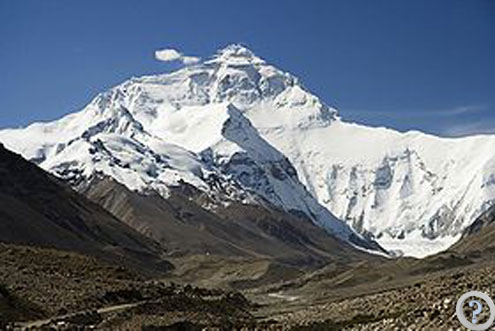
For adventurers looking to explore the untamed beauty of Nepal’s Himalayas without the crowds found in more famous trekking areas, Manaslu Circuit Trekking offers an extraordinary experience. Circling Mount Manaslu, the eighth-highest peak in the world, this trek takes you through remote villages, rugged landscapes, and high-altitude passes, all while showcasing the rich cultural traditions of the mountain communities.
What is the Manaslu Circuit Trek?
The Manaslu Circuit Trekking route is a 177-kilometer-long trail that encircles Mount Manaslu in the northwest of Nepal, starting from Soti Khola and ending at Dharapani. It typically takes 14 to 18 days to complete, depending on the route and rest days. The trek’s highest point, Larkya La Pass, reaches an altitude of 5,160 meters, providing spectacular panoramic views of the Himalayan peaks, glaciers, and valleys.
The trek is renowned for its remote and tranquil atmosphere, offering an experience away from the hustle and bustle of more popular routes like the Everest or Annapurna Circuit. Despite being a more challenging route, the Manaslu Circuit rewards trekkers with pristine nature, deep cultural immersion, and some of the best mountain vistas in the world.
Key Highlights of Manaslu Circuit Trekking
1. Majestic Views of Manaslu and Surrounding Peaks
Throughout the Manaslu Circuit, trekkers are treated to awe-inspiring views of Mount Manaslu, Himalchuli, Ganesh Himal, and Ngadi Chuli. These towering giants form the backdrop to your journey, offering incredible photo opportunities and a true sense of the majesty of the Himalayas. From the villages of Lho and Samagaon, trekkers can enjoy up-close views of Manaslu, making for unforgettable moments.
2. Larkya La Pass: A Himalayan Challenge
The Larkya La Pass is the most challenging and thrilling part of the trek. Standing at 5,160 meters, it requires trekkers to be in good physical condition and properly acclimatized to avoid altitude sickness. The ascent to the pass is steep and long, but the reward is worth it—spectacular views of surrounding peaks and glaciers. The pass is a physical and emotional triumph for trekkers who reach its summit, and it provides one of the best Himalayan experiences.
3. Cultural Immersion in Remote Villages
One of the highlights of the Manaslu Circuit Trek is the opportunity to interact with local communities, particularly those in the Nubri and Tsum Valley regions. The villages along the trek, such as Jagat, Namrung, Samagaon, and Samdo, are inhabited by ethnic groups that practice Tibetan Buddhism and maintain traditional lifestyles.
Throughout the trek, you will see monasteries, prayer wheels, and mani walls (stone walls inscribed with Buddhist prayers), giving trekkers an insight into the religious and cultural practices of the mountain people. You may also visit Tibetan Buddhist monasteries, such as Pungyen Gompa near Samagaon, which add a spiritual dimension to the trek.
4. Pristine Natural Beauty
As you move through the Manaslu Conservation Area, the scenery changes dramatically. Lower elevations are filled with lush green forests of bamboo and rhododendron, while higher altitudes reveal alpine meadows and stark glacial valleys. Along the way, trekkers cross suspension bridges over rushing rivers, pass waterfalls cascading down the mountainsides, and take in vistas of glaciers and snow-capped peaks. The diversity in landscapes makes the Manaslu Circuit Trek an unforgettable natural experience.
Difficulty and Physical Requirements
Manaslu Circuit Trekking is considered a moderate to challenging trek due to its high-altitude terrain and steep ascents. While the trek doesn’t require technical climbing skills, it demands good physical conditioning. Trekkers should be prepared for long days of walking (6-8 hours), especially in the higher altitudes.
The key to a successful trek is proper acclimatization. The trek includes rest days in places like Samagaon, allowing trekkers to adjust to the altitude before tackling the Larkya La Pass. It’s essential to follow a gradual ascent and stay hydrated to minimize the risk of altitude sickness.
Permits and Regulations
As the Manaslu Circuit Trek is a restricted area, trekkers need to obtain special permits:
- Manaslu Restricted Area Permit (RAP)
- Manaslu Conservation Area Permit (MCAP)
- Annapurna Conservation Area Permit (ACAP)
The RAP requires trekkers to be accompanied by a licensed guide and a minimum of two people in a group. This helps preserve the environment and ensures the safety of trekkers in this remote region.
Best Time to Trek
The best seasons to trek the Manaslu Circuit are:
- Autumn (September to November): This is the most popular trekking season, offering stable weather and clear skies. The crisp air provides optimal visibility of the mountain peaks.
- Spring (March to May): During this time, the weather is warmer, and rhododendron flowers bloom, adding vibrant colors to the landscape.
Avoid trekking during the monsoon season (June to August), as the trails can become slippery and prone to landslides. Winter (December to February) is also challenging due to cold temperatures and potential snow blockages.
Accommodation and Food
The accommodation along the Manaslu Circuit is simple but comfortable. Teahouses are available throughout the route, offering basic rooms and shared bathrooms. In higher-altitude areas, amenities may be more basic, but the warmth of the teahouse and hospitality from local hosts provide comfort after a long day’s trek.
Meals typically consist of dal bhat (lentil soup with rice), noodles, and Tibetan bread. The food is nutritious and filling, ideal for the energy needed on the trail.
Conclusion
The Tsum Valley Trek is a once-in-a-lifetime adventure, offering trekkers an authentic Himalayan experience that combines natural beauty, cultural immersion, and physical challenge. While it’s more remote and less crowded than other treks in Nepal, its rewards are immense. From the towering peaks of Manaslu to the unique Tibetan culture and spiritual atmosphere, this trek promises memories that will last a lifetime.