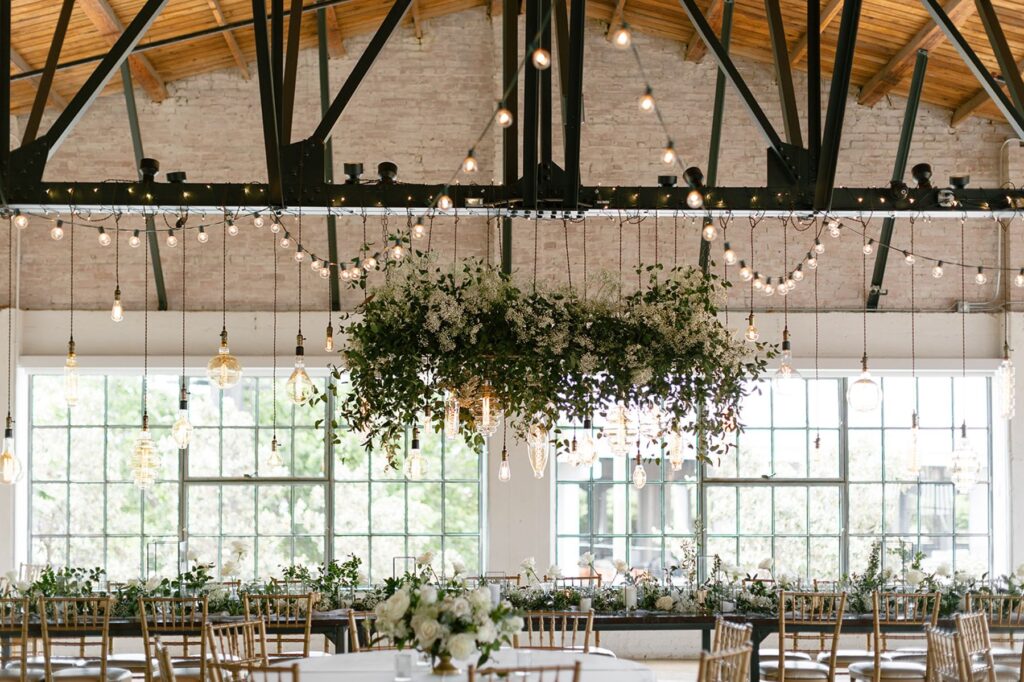
Choosing a suitable event location is one of the most important steps in planning a successful gathering. The right space can improve guest comfort, simplify logistics, and create an atmosphere that matches the purpose of the occasion. Whether the event is formal, casual, private, or business-focused, careful evaluation can prevent many common planning problems.
Determine the Purpose of the Event
Start by identifying what type of event you are organizing. A wedding may require space for dining, dancing, photography, and entertainment, while a business meeting may prioritize presentation equipment, seating arrangements, and reliable internet access.
Understanding the purpose helps narrow down locations that provide the appropriate facilities and atmosphere.
Estimate the Number of Guests
Guest capacity should be considered carefully. A space may officially accommodate a certain number of people, but tables, stages, buffet stations, dance floors, and equipment can reduce the usable area.
Create a realistic guest estimate and consider how people will move through the space. Comfortable movement is just as important as having enough seats.
Evaluate the Location
Accessibility can directly affect attendance. Consider parking, public transportation, nearby hotels, road access, and directions for guests traveling from outside the area.
The surrounding neighborhood may also influence the experience. Check the area at different times if possible to understand traffic, noise, and general conditions.
Review the Facilities
Every event location offers a different selection of amenities. Some may provide tables, chairs, lighting, sound systems, staging, kitchen facilities, dressing rooms, or dedicated staff.
Ask for a complete list of what is included in the rental price. This makes it easier to determine what additional equipment or services will need to be arranged separately.
Consider Catering Flexibility
Food service can become complicated if catering restrictions are not understood early. Some locations provide their own catering, while others work only with approved vendors or allow outside providers.
Ask about menus, kitchen access, food preparation areas, service fees, dietary accommodations, and beverage policies. Understanding these details before booking can prevent expensive surprises.
Look at the Overall Atmosphere
The appearance of the space should complement the event. Interior design, lighting, flooring, seating, architecture, and outdoor areas can all influence the mood.
A location that naturally matches your desired style may reduce the amount of decoration required. However, make sure the space also works practically for your schedule and guest requirements.
Think About Photography
A visually appealing environment can provide excellent opportunities for photographs. Look for attractive backgrounds, natural light, outdoor areas, and private spaces where portraits can be taken. Looking for a vegan restaurants Charlottesville, call Bang.
Ask about any photography restrictions before booking. Some properties may limit access to certain areas or have specific rules regarding equipment.
Ask About Setup and Cleanup
Event preparation often requires several hours. Decorations, flowers, furniture, entertainment equipment, lighting, and catering supplies may need to be installed before guests arrive.
Confirm when vendors can enter the property and when cleanup must be completed. Limited access can create scheduling problems, so this information should be included in the planning process.
Review Rules and Additional Charges
Every location may have different policies regarding noise, decorations, entertainment, outside vendors, candles, pets, food, or event duration.
Ask about overtime, cleaning fees, security requirements, staffing charges, and equipment costs. A detailed estimate provides a clearer picture of the actual expense than the base rental price alone.
Read the Agreement Carefully
Before making a final commitment, review the contract in detail. Check the payment schedule, cancellation policy, guest limits, event hours, included services, damage requirements, and refund conditions.
Clarify anything that seems uncertain before signing. A clear agreement can protect both the organizer and the property owner.
Conclusion
Selecting the right event location requires more than finding an attractive space. Guest capacity, accessibility, facilities, catering, atmosphere, photography opportunities, setup time, restrictions, and total costs should all be evaluated carefully. By comparing several options and reviewing the contract thoroughly, organizers can choose a location that supports a smooth event and provides guests with a comfortable and memorable experience.