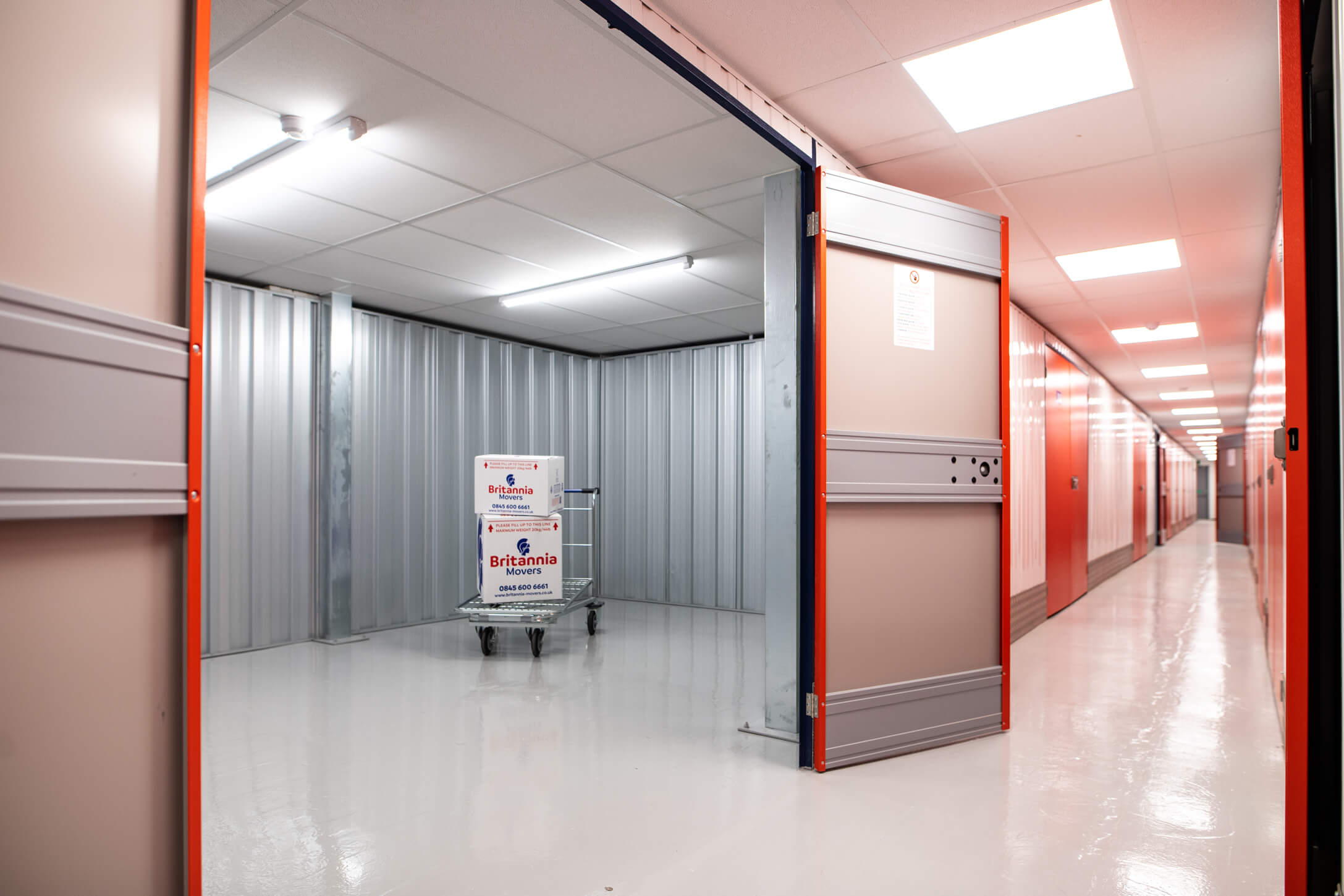
Finding enough space for belongings can become difficult as homes and businesses grow. Furniture, seasonal decorations, equipment, documents, and personal possessions can quickly fill available rooms, garages, or offices. Storage facilities provide an additional space where items can be kept organized without requiring a larger home or commercial property.
One of the main advantages of storage is flexibility. People may need extra space temporarily during a move, renovation, relocation, or major life transition. Renting additional space for only the period it is needed can be more practical than making a permanent change to a property.
Homeowners often use storage for seasonal belongings. Holiday decorations, outdoor furniture, sports equipment, camping supplies, and other items may only be used during certain parts of the year. Keeping these possessions in a separate storage area can free up valuable space inside the home.
Storage can also be useful during home improvement projects. Furniture and other household items may need to be moved out of a room while flooring, painting, remodeling, or repairs are underway. Placing those belongings in a secure facility can help protect them from construction dust, accidental damage, or unnecessary clutter.
Businesses have different storage requirements depending on their industry. A company may need additional room for inventory, office furniture, tools, promotional materials, records, or equipment. Using an external storage facility can provide additional capacity without requiring the business to move to a larger commercial property.
When choosing storage units, size should be considered carefully. Renting a space that is much larger than necessary can increase costs, while a unit that is too small may make organization difficult. Making an inventory of the items that need to be stored can help determine an appropriate size.
Organization is important once belongings are placed in storage. Items that will be needed frequently should be positioned where they can be accessed easily. Clearly labeled boxes and organized shelves can make it much easier to find specific possessions without having to move everything around.
The type of items being stored should also influence the choice of facility. Some belongings may require specific environmental conditions. Documents, electronics, furniture, and other sensitive possessions can be affected by moisture or extreme temperatures. Depending on the items, customers may want to consider facilities that offer climate-controlled options.
Security is another important consideration. A storage facility should have appropriate measures designed to protect customers’ belongings. Features may include controlled entry, surveillance systems, lighting, individual locks, or on-site management. Customers should review the facility’s security policies before renting. For storage unit Lynchburg call Timberwest Storage.
Accessibility can make a significant difference as well. If belongings need to be accessed regularly, convenient operating hours and easy vehicle access may be valuable. Facilities with suitable loading areas can also make moving heavy or bulky items easier.
Cost is naturally part of the decision. Rental prices can vary according to unit size, location, features, availability, and rental duration. Customers should understand the monthly rate as well as any additional fees, deposits, insurance requirements, or administrative charges before signing an agreement.
Storage can also simplify the moving process. When relocating between properties, there may be a period when belongings cannot immediately be moved into the new home. Temporary storage provides a place to keep possessions safely until the move is complete.
Students and people living in smaller homes may also benefit from flexible storage. When space is limited, keeping rarely used belongings outside the home can create a more comfortable living environment. The same principle can apply to people who travel for extended periods and need somewhere to keep their possessions.
Before storing valuable items, customers should review the facility’s policies regarding prohibited goods, insurance, access, and responsibility for stored property. Properly packing and protecting belongings is also important, particularly for fragile or easily damaged items.
A well-chosen storage facility can provide valuable extra space without requiring a permanent property expansion. By selecting the right size, organizing belongings carefully, considering security and accessibility, and understanding the rental terms, customers can make storage a convenient part of managing their homes or businesses.
Whether the need is temporary or ongoing, storage offers a practical way to reduce clutter and create additional room. With thoughtful planning, it can make moving, renovating, downsizing, and business operations considerably easier.