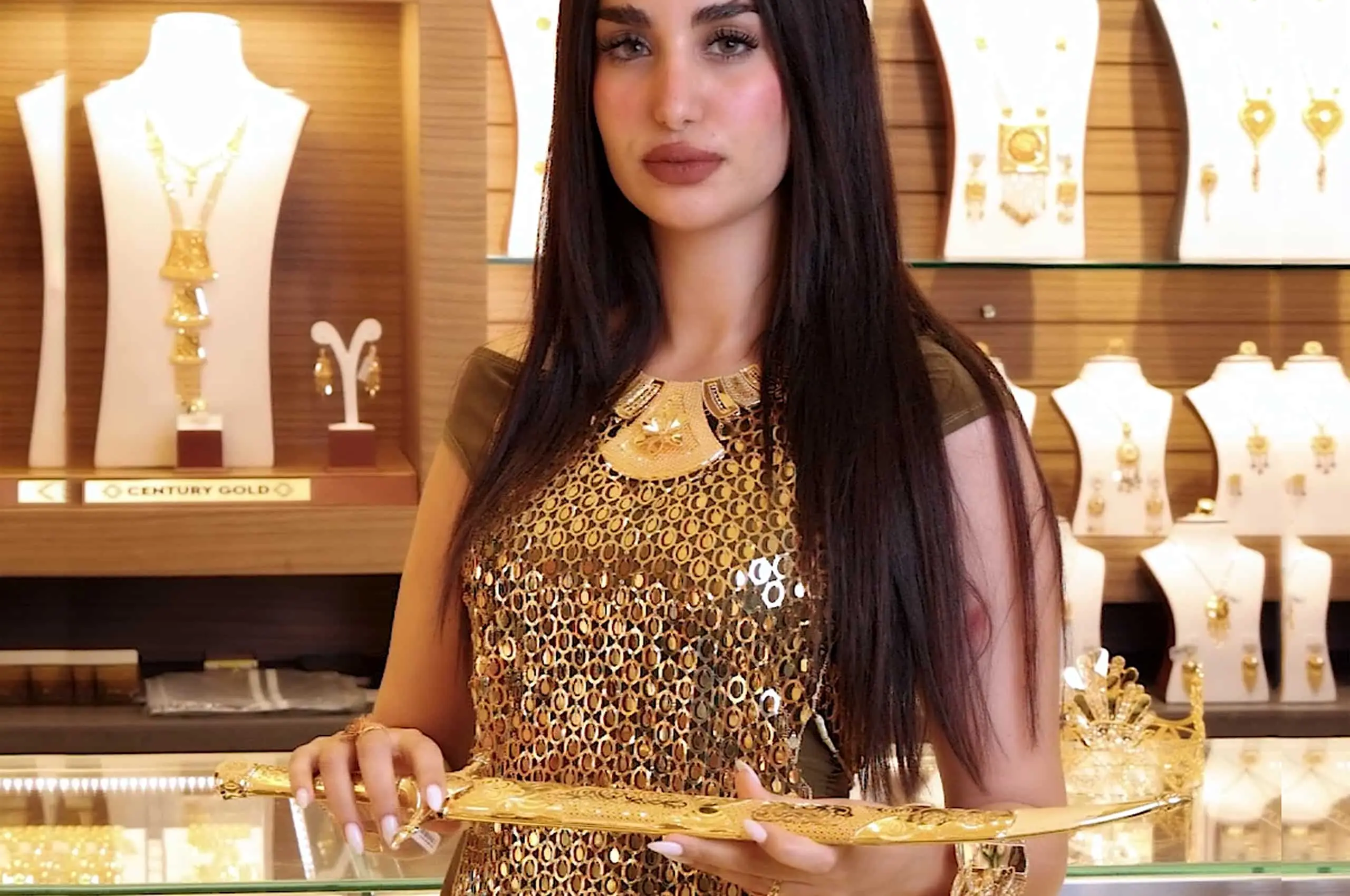
A Gold Souq is more than a marketplace filled with dazzling jewellery. It is a vibrant destination where centuries-old trading traditions meet modern jewellery craftsmanship. The term “souq” generally refers to a traditional marketplace, and gold souqs across the Middle East are especially known for their extensive collections of gold jewellery, precious stones, silver, and other luxury items. Among the most famous is Dubai’s Gold Souq in Deira, a historic market that remains an important part of the city’s cultural and commercial identity.
The appeal of a gold souq begins with its atmosphere. Unlike a conventional jewellery store, a traditional souq brings numerous independent retailers together in a lively market setting. Visitors can walk through covered passages lined with displays of necklaces, bracelets, rings, earrings, bangles, and elaborate bridal sets. The sheer variety makes the experience as much about exploration as shopping.
A Tradition Built Around Gold
Gold has long played an important role in commerce and personal adornment throughout the Arabian Peninsula. Traditional markets developed around the exchange of valuable goods, and gold became an especially significant part of this trading culture. Dubai’s Deira Gold Souq, for example, grew alongside the city’s historic trading activity around Dubai Creek and developed into one of the region’s best-known gold markets.
Today, the souq continues that legacy while serving both local customers and international visitors. Its shops combine traditional designs with contemporary styles, reflecting the diverse tastes of the people who visit the market. Arabic-inspired jewellery can be found alongside Indian, European, and modern designs, creating an unusually broad selection in one location.
Understanding Gold Prices
One of the most important things to understand before shopping at a Gold Souq is how jewellery prices are calculated. The value of a gold item is generally influenced by its weight, purity, the prevailing gold rate, and the workmanship involved in creating the piece.
Gold purity is commonly expressed through karats. Higher-karat gold contains a greater proportion of pure gold, while lower-karat varieties contain more alloy metals. For shoppers, understanding the difference between 24K, 22K, 21K, and 18K can make it easier to compare products and choose jewellery according to personal preferences and budget.
Because international gold prices fluctuate, the underlying metal value can change from day to day. Jewellery also includes a workmanship or making charge, which can vary considerably depending on the complexity of the design. This is why two pieces with similar weights may have noticeably different final prices.
The Art of Choosing Jewellery
Shopping in a Gold Souq can be an exciting experience because there are so many designs to consider. Simple chains and lightweight bracelets may appeal to everyday buyers, while elaborate necklaces and coordinated sets are popular for weddings and celebrations. Rings, earrings, pendants, and personalised pieces provide additional choices.
Customers should look beyond appearance when making a purchase. Checking the purity marking, confirming the weight, asking about making charges, and requesting a detailed invoice are sensible steps. A reputable retailer should be able to explain what the price includes and provide appropriate documentation for the purchase.
Another advantage of many gold souqs is customisation. Skilled jewellers may be able to modify an existing design or create a piece based on a customer’s requirements. This allows shoppers to purchase jewellery that has personal significance rather than simply selecting an item from a display.
Bargaining and Shopping Wisely
Negotiation is traditionally associated with souq culture, although the extent to which bargaining is possible depends on the item and retailer. The international gold price itself is not something an individual shop can simply change. However, there may be room to discuss workmanship charges or the overall price of a jewellery piece.
A smart shopper should therefore compare several stores before making a decision. Looking at similar items from different retailers can provide a clearer understanding of design, weight, craftsmanship, and pricing. It is also useful to decide on a budget before entering the market, particularly because the spectacular displays can make impulse purchases tempting.
More Than a Shopping Destination
The importance of a Gold Souq extends beyond jewellery sales. It represents a connection between commerce, craftsmanship, tourism, and cultural heritage. Dubai’s Gold Souq, located in the historic Deira district, is recognised as one of the emirate’s well-known traditional markets. Its location near Dubai Creek also connects the market to the history of the city’s maritime trade and traditional commercial life.
For visitors, walking through a Gold Souq can therefore be a cultural experience even without making a purchase. The intricate jewellery displays, traditional architecture, conversations between merchants and customers, and constant movement create an atmosphere that modern shopping centres rarely reproduce.
The Enduring Appeal of Gold Souqs
Gold remains a symbol of wealth, celebration, beauty, and lasting value in many cultures. Gold souqs preserve this appeal while adapting to changing consumer preferences and international tourism. Their combination of traditional market culture, skilled craftsmanship, extensive choice, and precious-metal jewellery continues to attract shoppers from around the world.
Whether someone is searching for a wedding necklace, a meaningful gift, an everyday accessory, or simply an unforgettable cultural experience, a Gold Souq offers something distinctive. It is not merely a place where gold is bought and sold; it is a living marketplace where heritage and modern jewellery culture continue to shine side by side.