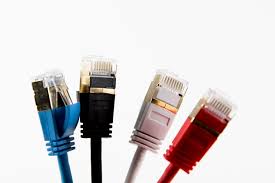
In the era of high-speed internet, reliable networking infrastructure is essential for ensuring fast and seamless connectivity. Whether it’s for homes, businesses, or data centers, choosing the right network cables can make a significant difference in the quality of the network performance. One such essential component of modern networks is the Cat 6 cable. Known for its high-speed capabilities and efficiency, Cat 6 cables have become the go-to option for many when it comes to Ethernet networking. In this article, we will explore the features, benefits, and applications of Cat 6 cables, and discuss how they compare to other networking cables.
What is a Cat 6 Cable?
A ccr1036 8g 2s+ price in bangladesh (Category 6 cable) is a type of twisted pair Ethernet cable designed for high-speed networking. It is an upgrade from earlier cable standards like Cat 5 and Cat 5e, offering higher speeds and greater performance. Cat 6 cables are commonly used in Ethernet networks to connect various devices, such as computers, routers, printers, and servers. The key characteristic of Cat 6 cables is their ability to support 10 Gigabit Ethernet (10GbE) speeds, making them an excellent choice for high-bandwidth applications.
Cat 6 cables consist of four twisted pairs of copper wires, which are used to transmit data. They are shielded to minimize crosstalk and electromagnetic interference (EMI), which could otherwise disrupt the data transmission. These cables also have better insulation than their predecessors, making them ideal for high-demand environments.
Key Features of Cat 6 Cable
- High-Speed Data Transmission: One of the primary advantages of ccr1009 7g 1c 1s+ is their ability to support data speeds up to 10 Gbps (gigabits per second) over short distances. This makes them ideal for applications that require high bandwidth, such as 4K video streaming, online gaming, video conferencing, and cloud computing. Cat 6 cables are capable of handling large data transfers efficiently, ensuring minimal lag or latency during use.
- Increased Bandwidth: Cat 6 cables support frequencies up to 250 MHz, providing increased bandwidth compared to Cat 5e cables, which support up to 100 MHz. This higher bandwidth ensures that Cat 6 cables can carry more data at faster speeds, making them more suitable for modern, data-intensive applications.
- Reduced Crosstalk and Interference: The design of Cat 6 cables helps reduce crosstalk, which is the unwanted transfer of signals between adjacent wires. Crosstalk can result in degraded signal quality and slower data transmission. Cat 6 cables use improved shielding and tighter twists in the cable pairs to minimize this effect, ensuring cleaner, more reliable data transmission even in environments with multiple cables running in close proximity.
- Backward Compatibility: Cat 6 cables are backward compatible with older Ethernet cables such as Cat 5 and Cat 5e. This means that you can use Cat 6 cables in networks that were initially designed for lower-category cables without needing to replace all your networking equipment. However, to fully benefit from the higher speeds of Cat 6, all devices and network hardware in the system should support Gigabit Ethernet or 10 Gbps speeds.
- Durability and Construction: Cat 6 cables are built for durability and performance. They are usually made with solid copper conductors, which offer superior conductivity and long-term reliability. The cables can also be shielded with either a foil shield or a braided shield to protect against EMI. For flexibility, stranded versions of Cat 6 cables are available, which are ideal for applications that require frequent movement, such as patch cables.
Applications of Cat 6 Cable
Best Computer cables are used in a wide variety of applications due to their high-speed performance and reliability. Here are some of the most common uses:
- Home Networking: Cat 6 cables are ideal for home networks, especially as more households are relying on smart devices, streaming services, and high-bandwidth applications. Whether you’re setting up a home office, connecting gaming consoles, or ensuring fast streaming for multiple devices, Cat 6 cables provide the performance you need to keep everything running smoothly.
- Business Networks: For businesses, Cat 6 cables are crucial for creating a high-performance Local Area Network (LAN). They enable fast data transfer between computers, servers, printers, and other networked devices, ensuring productivity remains high. With the rise of cloud computing, video conferencing, and real-time data transfer, businesses require fast and reliable networking, and Cat 6 cables deliver on this front.
- Data Centers: In data centers, where vast amounts of data are transmitted between servers and storage systems, Cat 6 cables are commonly used for backbone cabling. Their high-speed capabilities and resistance to interference make them a solid choice for connecting servers and network switches in high-density environments.
- Telecommunications: Cat 6 cables are also used in the telecommunications industry for setting up high-speed communication networks. They connect various network equipment, including switches, routers, and modems, allowing for quick and efficient data transfer.
Comparing Cat 6 with Other Ethernet Cables
While Cat 6 cables are an excellent option for most networking needs, it’s important to compare them with other types of Ethernet cables to determine which one suits your requirements.
- Cat 5e Cable:
Cat 5e cables are an older standard that supports speeds up to 1 Gbps and frequencies of 100 MHz. While Cat 5e is still widely used for home and small office networks, it doesn’t offer the speed, bandwidth, or performance of Cat 6 cables. For most modern applications, especially those requiring high-speed data transfer, Cat 6 cables are the better choice. - Cat 6a Cable:
Cat 6a is an upgraded version of Cat 6 that supports 10 Gbps speeds over distances of up to 100 meters (328 feet), as opposed to the 55 meters that Cat 6 supports at 10 Gbps. While Cat 6a provides superior performance, it is more expensive and bulkier, making it less ideal for smaller spaces or home networks. Cat 6 is generally sufficient for most residential and small business needs, while Cat 6a is more suitable for large-scale deployments. - Cat 7 Cable:
Cat 7 cables support higher frequencies (up to 600 MHz) and better shielding, making them ideal for environments with high electromagnetic interference. They can also support speeds up to 10 Gbps over longer distances. However, Cat 7 cables are typically used in more specialized applications, such as large data centers or industrial settings, due to their higher cost and rigid construction.
Conclusion
Cat 6 cables are a reliable and cost-effective solution for high-speed Ethernet networking, offering excellent performance, high bandwidth, and reduced interference. Whether you are upgrading your home network, setting up a business infrastructure, or optimizing a data center, Cat 6 cables provide the necessary speed and reliability for modern digital applications. As businesses and consumers continue to demand faster and more efficient networks, Cat 6 cables are sure to remain a critical component in the networking landscape.