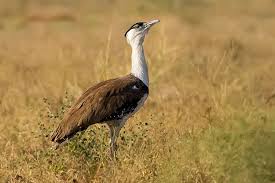
India, with its extraordinary biodiversity and diverse landscapes, is a dream destination for birdwatchers around the globe. From the towering Himalayas in the north to the coastal wetlands in the south, and from the arid deserts of the west to the dense forests of the northeast, birding in India offers unmatched opportunities to spot rare and spectacular bird species in their natural habitats.
The Diversity of Birdlife in India
India is home to more than 1,300 species of birds, making it one of the richest birding destinations in Asia. This diversity is due to the country’s varied climate zones, altitudes, and ecosystems—ranging from alpine forests and grasslands to mangroves and salt marshes. Whether you are a casual birdwatcher or a serious ornithologist, birding in India presents endless chances to observe both endemic and migratory species.
Birding hotspots like Bharatpur’s Keoladeo National Park, the Western Ghats, and the Sundarbans offer glimpses of iconic species such as the Indian Pitta, Sarus Crane, Indian Skimmer, and Great Hornbill. In the Himalayan region, one might spot the elusive Himalayan Monal, the state bird of Uttarakhand, or the colorful Snow Partridge.
Best Birding Destinations in India
- Keoladeo National Park, Rajasthan
Formerly known as Bharatpur Bird Sanctuary, this UNESCO World Heritage Site is one of the finest birding spots in India. It hosts over 370 species of birds, including large flocks of waterfowl, raptors, and warblers. During winter, migratory birds from as far as Siberia and Central Asia flock to its wetlands. - Thattekad Bird Sanctuary, Kerala
Nestled in the Western Ghats, Thattekad is often referred to as the “Salim Ali Bird Sanctuary,” named after India’s most renowned ornithologist. This relatively small sanctuary packs a punch with its rich variety of forest species such as the Malabar Trogon, Indian Cuckoo, and the Ceylon Frogmouth. - Sundarbans, West Bengal
Known for its mangrove forests and the elusive Royal Bengal Tiger, the Sundarbans are also a birdwatcher’s paradise. Species like the Mangrove Whistler, Brown-winged Kingfisher, and a wide variety of herons and egrets can be spotted here. - Eaglenest Wildlife Sanctuary, Arunachal Pradesh
Located in Northeast India, Eaglenest has recently gained fame among birders for sightings of the Bugun Liocichla, a bird discovered only in 2006. The sanctuary is home to over 450 species and is considered one of the best birding locations in the world. - Ranganathittu Bird Sanctuary, Karnataka
Situated along the banks of the Kaveri River, this sanctuary is ideal for viewing nesting waterbirds such as storks, pelicans, spoonbills, and kingfishers. A boat ride through its tranquil backwaters provides a unique birdwatching experience.
Migratory Birds and Seasonal Watching
One of the most fascinating aspects of birding in India is the arrival of migratory birds during the winter months. Between November and March, the subcontinent becomes a temporary home to thousands of birds escaping the harsh winters of their breeding grounds in Central Asia, Europe, and Siberia. Wetlands and lakes across North India, such as Chilika Lake in Odisha and the Okhla Bird Sanctuary in Delhi NCR, are teeming with migratory ducks, geese, gulls, and waders during this time.
For birders, winter is often considered the best season for birding in India. However, the monsoon months (June to September) are also significant, especially for spotting breeding behavior in resident species.
The Growing Popularity of Birding in India
Birding in India has seen a surge in popularity in recent years, driven by an increased awareness of biodiversity and the rise of digital platforms that help birders share sightings, photos, and data. Mobile apps like eBird and Merlin Bird ID have made it easier for beginners to identify species and keep track of their checklists. Bird festivals and nature walks, such as the Uttarakhand Bird Festival or the Pangot Birding Festival, are attracting tourists and eco-conscious travelers alike.
Additionally, the birding community in India is vibrant and welcoming. Local birding clubs and online forums provide a great way to connect, learn, and explore new locations. This sense of community adds a social dimension to what is otherwise a deeply personal and meditative hobby.
Responsible Birding and Conservation
While birding in India is immensely rewarding, it also comes with the responsibility of preserving fragile ecosystems. Ethical birding practices—like maintaining a respectful distance, avoiding flash photography, and not disturbing nests—are essential to protect the well-being of the birds and their habitats. Supporting local conservation efforts, promoting eco-tourism, and reporting illegal wildlife activity are ways birders can contribute to the sustainability of this hobby.
Conclusion
Birding in India is more than just a hobby—it’s a journey through the soul of the country’s wild heart. With every flutter of wings, every distant call, and every hidden perch discovered, birders get a chance to connect deeply with nature. Whether you’re a novice armed with a pair of binoculars or an expert with a telephoto lens, India’s avian treasures await you.
So pack your gear, grab your field guide, and step into the wild. Because birding in India is an experience you’ll never forget.