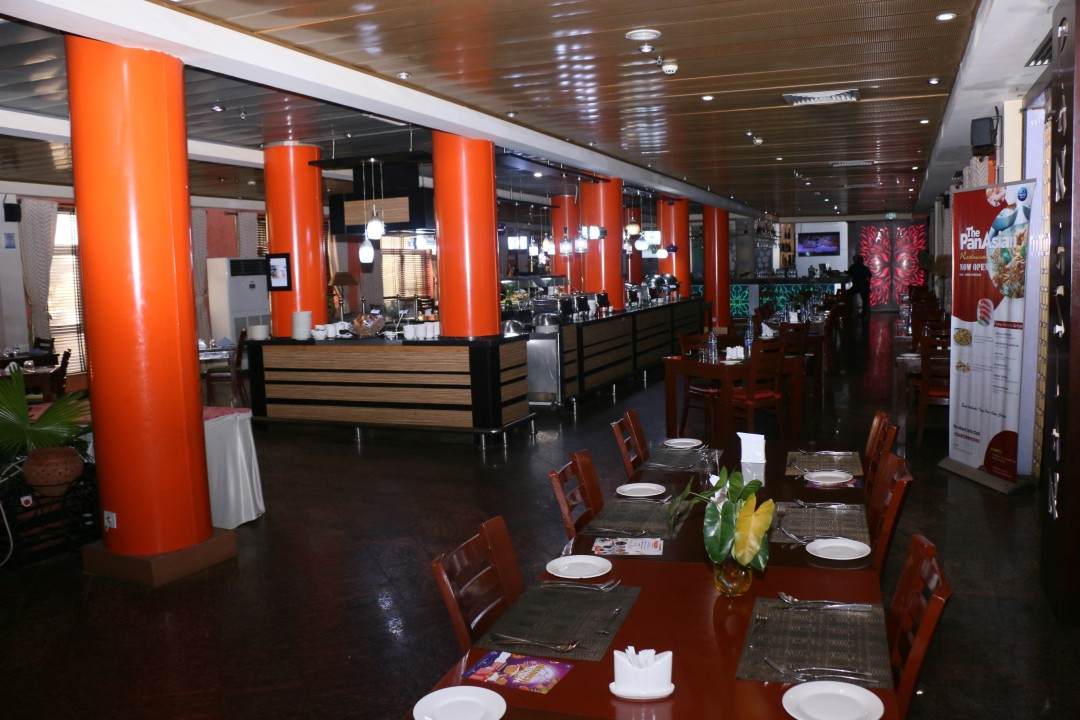
In today’s fast-paced world, a restaurant is no longer just a place to eat—it is an experience. From cozy family diners to high-end fine dining establishments, restaurants have evolved to offer more than meals; they provide ambiance, service, and memories that linger long after the last bite.The Cellar is a italian restaurant Blacksburg, VA.
The Rise of the Experience-Driven Restaurant
Modern diners are looking for more than just good food. They seek experiences that engage all the senses. A restaurant that pays attention to lighting, music, and decor can transform a simple dinner into a memorable evening. he Cellar is a italian restaurant Blacksburg, VA. This trend has led many restaurateurs to rethink their spaces, creating environments that are Instagram-worthy and welcoming at the same time.
The interior of a restaurant plays a significant role in shaping a customer’s experience. Open kitchens, for example, allow diners to watch chefs at work, adding an element of entertainment. Similarly, themed restaurants, whether vintage, futuristic, or cultural, attract customers seeking a unique dining adventure.
Menu Innovation: The Heart of a Restaurant
The menu is the soul of any restaurant. Successful restaurants continuously innovate their offerings to keep customers returning. Seasonal menus, locally sourced ingredients, and unique culinary twists are now commonplace. For instance, a restaurant that features farm-to-table dishes can appeal to environmentally conscious diners while supporting local producers.
In addition, dietary trends are shaping menus across the globe. Vegan, gluten-free, and keto-friendly options have become standard in many restaurants. This focus on dietary inclusivity ensures that everyone can enjoy a meal, which enhances a restaurant’s reputation and broadens its customer base.
Technology and the Modern Restaurant
Technology has revolutionized how restaurants operate. Online reservations, digital menus, and contactless payments have become standard, enhancing both convenience and safety. Some restaurants have even integrated AI-driven recommendations to help diners choose dishes based on past preferences.
Delivery apps have also changed the restaurant landscape. Restaurants are no longer confined to the physical space; a well-prepared meal can now reach customers’ homes in minutes. This has created opportunities for smaller, niche restaurants to expand their reach without investing heavily in real estate.
Service: The Underrated Element of a Restaurant
While food quality is crucial, excellent service remains a key differentiator for restaurants. Friendly, knowledgeable staff can elevate a meal from ordinary to extraordinary. Personalized touches, like remembering regular customers’ favorite dishes or offering complimentary items on special occasions, create loyalty and positive word-of-mouth.
Staff training is essential to maintaining high standards in a restaurant. Employees who understand the menu, allergens, and customer etiquette contribute to a seamless dining experience that keeps guests coming back.
Sustainability and Ethical Practices in Restaurants
Sustainability is increasingly important in the restaurant industry. Many establishments now focus on reducing food waste, sourcing ingredients responsibly, and using eco-friendly packaging for takeout and delivery. A restaurant that prioritizes sustainability not only contributes positively to the environment but also attracts socially conscious consumers.
Conclusion
A restaurant today is more than a place to eat; it is an immersive experience that combines ambiance, innovation, service, and responsibility. Whether you are looking for a quick bite, a family outing, or a fine dining adventure, restaurants continue to adapt to meet modern expectations.
Investing in quality ingredients, attentive service, and memorable experiences ensures that a restaurant stands out in a crowded market. Ultimately, the best restaurants are those that create lasting impressions—places where diners leave not only satisfied but inspired.