A home can change significantly over time as families grow, lifestyles change, and property needs evolve. Updating an outdated kitchen, improving a bathroom, creating additional living space, or refreshing an entire interior can make a property more functional and comfortable. Careful home remodeling/home improvement planning can help homeowners organize these projects and achieve practical results.
The first step is usually identifying the purpose of the renovation. Some homeowners want to improve the appearance of their property, while others need additional storage, better functionality, or more usable living space. Clearly defining the main goals can make it easier to determine which improvements should receive priority.
A realistic budget is also important. Remodeling costs can vary depending on materials, labor, project size, structural changes, and finishing choices. Homeowners should consider both expected expenses and a reasonable allowance for unexpected issues that may be discovered during construction. Comparing estimates from qualified contractors can provide a better understanding of potential costs.
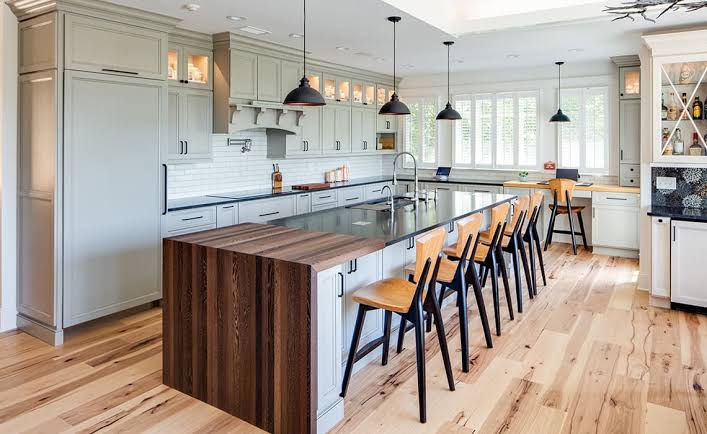
Kitchen improvements are among the projects that can make a noticeable difference in everyday life. New cabinets, countertops, lighting, flooring, appliances, and storage solutions can improve both appearance and functionality. The layout should be considered carefully so that cooking, cleaning, and movement remain convenient.
Bathrooms can also benefit from thoughtful upgrades. Replacing outdated fixtures, improving lighting, updating flooring, adding storage, or changing the shower area can create a more comfortable space. Water-resistant materials and proper ventilation should be considered during bathroom renovations.
Home remodeling/home improvement projects may also involve larger changes, such as finishing a basement, converting an unused room, building an addition, or improving an outdoor living area. These projects often require more detailed planning and may involve permits, structural considerations, electrical work, plumbing, or multiple types of contractors.If your looking for carpenters Roanoke call E I Carpentry LLC.
Energy efficiency is another area homeowners can consider. Improvements such as better insulation, energy-efficient windows, updated lighting, modern appliances, and improved HVAC equipment may help create a more comfortable indoor environment. The most appropriate upgrades depend on the property’s condition and the homeowner’s long-term plans.
Choosing suitable materials is equally important. Homeowners should consider durability, maintenance requirements, appearance, and cost rather than focusing only on initial price. Quality materials can provide lasting value when they are properly installed and maintained.
Hiring experienced professionals can make complex renovation projects easier to manage. Contractors can coordinate different stages of construction and ensure that specialized work is handled appropriately. Before hiring a contractor, homeowners can review previous projects, references, estimates, timelines, insurance, and warranties.
A clear project timeline can also reduce confusion. Renovations may involve demolition, preparation, installation, inspections, finishing, and cleanup. Discussing the expected sequence of work with the contractor can help homeowners prepare for temporary changes to their daily routine.
Good planning is the foundation of a successful renovation. By establishing clear goals, setting a realistic budget, selecting suitable materials, and working with qualified professionals, homeowners can make informed decisions throughout the project.
Whether the goal is a small update or a major transformation, home remodeling/home improvement can make a property more comfortable, practical, and visually appealing. With thoughtful planning and quality workmanship, improvements can provide lasting benefits while helping homeowners create spaces that better suit their everyday needs.