Food and dining are important parts of everyday life, bringing people together while supporting health and well-being. Whether enjoying a homemade meal with family or dining at a favorite restaurant, good food creates lasting memories and strengthens relationships. Modern dining offers endless choices, from traditional recipes and international cuisine to healthy meal options and gourmet experiences. Making smart food choices and enjoying balanced meals can improve both physical health and overall quality of life.
A balanced diet is the foundation of healthy eating. Meals should include a combination of fresh fruits, vegetables, whole grains, lean proteins, and healthy fats. These foods provide essential nutrients that support energy production, strengthen the immune system, and promote overall wellness. Limiting processed foods, excessive sugar, and unhealthy fats helps reduce the risk of obesity, heart disease, and other chronic health conditions.
Home-cooked meals remain one of the best ways to maintain a healthy lifestyle. Preparing food at home allows families to control ingredients, portion sizes, and cooking methods. Baking, grilling, steaming, and roasting are healthier alternatives to deep frying because they preserve nutrients while reducing unnecessary fat. Cooking together also creates opportunities for families to spend quality time and develop healthier eating habits.
Dining out has become a popular way to celebrate special occasions or enjoy convenient meals. Choosing restaurants that use fresh ingredients and offer balanced menu options can make dining out both enjoyable and nutritious. Many restaurants now provide vegetarian, vegan, gluten-free, and low-calorie meals to accommodate different dietary needs. Reading menus carefully and selecting healthier dishes helps maintain a balanced diet even when eating away from home.
Breakfast is often called the most important meal of the day because it provides the energy needed to begin daily activities. A nutritious breakfast may include whole-grain cereal, fresh fruit, yogurt, eggs, or oatmeal. Starting the day with a healthy meal improves concentration, supports metabolism, and helps prevent unhealthy snacking later in the day.
Hydration is another essential part of healthy dining. Drinking enough water throughout the day supports digestion, regulates body temperature, and keeps the body functioning properly. Water is usually the healthiest beverage choice, while sugary soft drinks and excessive sweetened beverages should be consumed in moderation. Fresh fruit juices and herbal teas can also be refreshing options when enjoyed responsibly.
Trying different cuisines allows people to experience new flavors and cultures. Italian, Mexican, Japanese, Indian, Mediterranean, and Thai cuisines each offer unique ingredients and cooking techniques. Exploring international foods broadens culinary knowledge while making dining experiences more enjoyable. Choosing authentic restaurants or learning to prepare global recipes at home adds variety to everyday meals. Looking for Roanoke bakeries visit On The Rise Bread Company
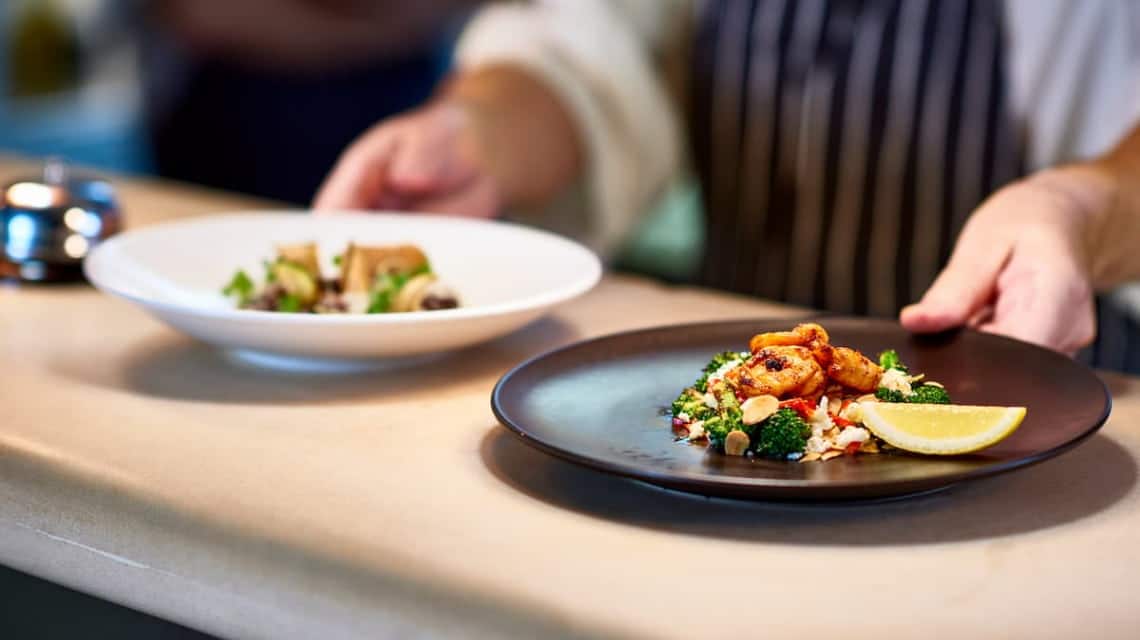
Food presentation also plays an important role in the dining experience. Attractive plating, colorful ingredients, and thoughtful table settings make meals more appealing and enjoyable. Restaurants often focus on presentation because it enhances customer satisfaction and creates memorable dining experiences. Even simple home-cooked meals can feel special with careful presentation and attention to detail.
Food safety should never be overlooked. Washing fresh produce, cooking meat thoroughly, storing leftovers properly, and maintaining clean kitchen surfaces help prevent foodborne illnesses. Checking expiration dates and practicing proper food handling protect both families and guests from harmful bacteria and contamination.
Sustainable dining has become increasingly popular as people seek environmentally responsible food choices. Supporting local farmers, choosing seasonal produce, reducing food waste, and using reusable containers help protect the environment while supporting local communities. Sustainable dining practices also encourage healthier eating habits and responsible consumption.
In conclusion, food and dining are about much more than satisfying hunger. They provide opportunities to nourish the body, celebrate important moments, and connect with family and friends. By choosing nutritious foods, practicing safe food preparation, exploring diverse cuisines, and supporting sustainable dining habits, individuals can enjoy delicious meals while improving their overall health and well-being. A balanced approach to food and dining creates lasting benefits that enhance everyday life and make every meal a memorable experience.